






Why Climbing Stairs Hurts Your Knees
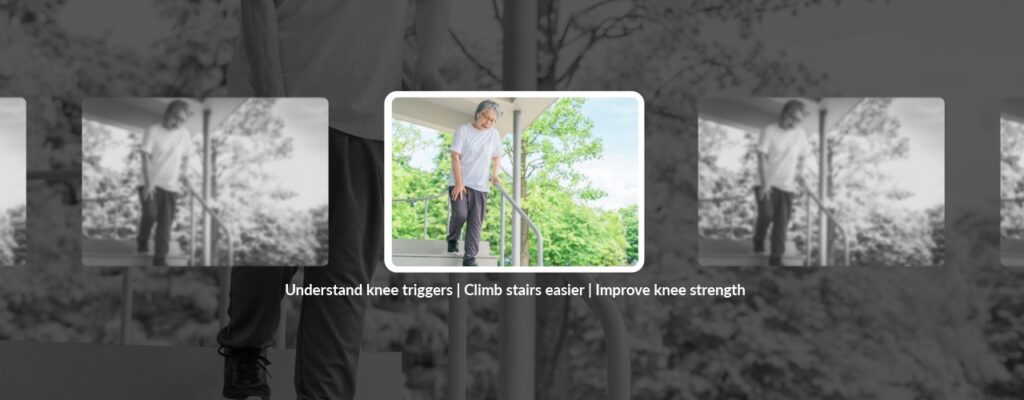
If walking across flat ground feels fine but climbing a flight of stairs makes your knees ache, you’re probably curious about what’s going on. However, it is common: many people notice discomfort only during certain movements, which can make everyday activities frustrating. Knee pain and stairs often go hand in hand because climbing places greater forces on the knee joint than level walking. Fortunately, Metro Sports Physical Therapy offers many ways to improve knee comfort and function.
Reasons Your Knees Might Be Hurting When You Walk Up The Stairs
1. Your Kneecap Is Not Moving Smoothly
When you bend your knee, your kneecap should glide smoothly through a groove at the end of your thigh bone. If it does not track properly, the tissues around the joint can become irritated. Weak hip muscles, muscle imbalances, or movement patterns can all contribute to this issue.
Symptoms to Watch Out For
- Pain at the front of the knee.
- Discomfort that increases when climbing or descending stairs.
- Aching after sitting for long periods.
2. Cartilage Is Beginning to Wear Down
As cartilage becomes thinner over time, the joint has less cushioning. This can lead to pain, stiffness, and swelling, especially during activities that increase pressure inside the knee. Many people with osteoarthritis often notice that stair climbing becomes more difficult before level walking does.
Symptoms to Watch Out For
- Morning stiffness.
- Crunching or grinding sensations.
- Pain that worsens with repeated stair climbing.
3. Tendons Are Working Too Hard
The tendons around the knee help transfer force from your muscles to your bones. Repeated jumping, running, or climbing can overload these tissues, leading to pain and irritation.
Symptoms to Watch Out For
- Tenderness below or above the kneecap.
- Pain during activity that eases with rest.
- Discomfort after sports or increased exercise.
4. Weak Muscles Leave the Knee Doing Too Much
Your hips, thighs, and core all help control movement. When these muscles are weak, the knee often absorbs more stress than it should. Improving strength throughout the lower body often reduces stress on the knee joint, helping to alleviate discomfort.
Symptoms to Watch Out For
- Poor balance while climbing stairs.
- Difficulty standing from a chair.
- Fatigue after everyday activities.
5. An Old Injury Has Changed How You Move
Previous ligament injuries, meniscus tears, or fractures can affect how the knee functions long after the original injury has healed. Even subtle changes in movement can place extra strain on the joint over time.
Symptoms to Watch Out For
- Occasional instability.
- Pain with twisting or climbing.
- Reduced confidence on stairs.
6. You Are Experiencing Patellofemoral Pain Syndrome
One of the most common causes of knee pain and stairs is patellofemoral pain syndrome. This condition develops when the tissues around the kneecap become irritated from repeated stress or sudden increases in activity. Weakness in the lower body can contribute as well.
Symptoms to Watch Out For
- A dull, aching pain at the front of the knee.
- Pain that worsens when climbing or descending stairs, squatting, or kneeling.
- Clicking, popping, or a feeling that the kneecap is not tracking properly.
7. Tight Muscles Are Affecting Joint Mechanics
Tight muscles around the hips, thighs, or calves can alter how your knee moves during stair climbing, increasing pressure within the knee and reducing normal joint motion.
Symptoms to Watch Out For
- A feeling of tightness or stiffness around the knee
- Pain that eases as the muscles warm up, but returns after prolonged activity.
- Difficulty fully bending or straightening the knee during everyday movements.
How Physical Therapy Helps Address the Real Cause
If knee pain and stairs have become part of your daily routine, it is important to identify the cause rather than simply treating the symptoms.
At Metro Sports Physical Therapy, your physical therapist begins with a thorough evaluation to understand how your entire lower body moves. Rather than focusing solely on the painful area, they look for contributing factors, such as muscle weakness, limited mobility, balance deficits, or movement habits that increase stress on the knee.
Your treatment plan may include:
- Exercises to improve strength in the hips, thighs, and core.
- Mobility work to restore healthy joint movement.
- Balance and stability training.
- Activity modifications that reduce unnecessary strain.
- Education to help prevent future flare-ups.
Because every person is different, your plan is tailored to your specific needs, goals, and daily activities.
Take the First Step Toward More Comfortable Movement
Knee pain and stairs often go hand in hand, but it should not be accepted as normal. Identifying the underlying cause early can help prevent worsening symptoms and improve your ability to stay active.
If climbing stairs has become painful or you are avoiding activities because of knee discomfort, contact Metro Sports Physical Therapy. Our team can evaluate your symptoms, develop a personalized treatment plan, and help you move with greater comfort and confidence.