
Navigating the Road to Recovery from Sports Injuries
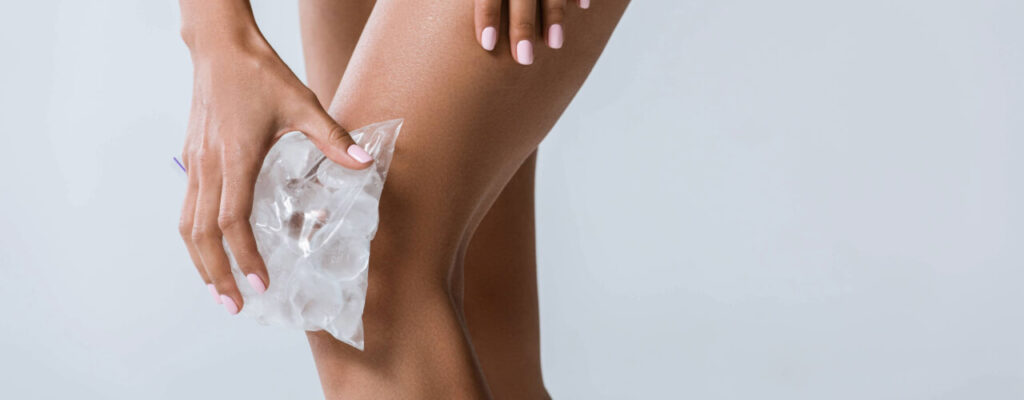
For athletes, injuries don’t just sideline the body—they also test the mind and spirit. Whether it’s a sprained ankle or a torn ligament, the road to recovery can feel like a steep uphill climb. The frustration of sitting out, the fear of reinjury, and the drive to return stronger all weigh heavily during this process. Fortunately, athletes can regain their strength, mobility, and confidence with the right approach to recovery from sports injuries.
Why Every Injury Needs a Game Plan
Recovery from sports injuries isn’t a one-size-fits-all process. Every injury comes with its own challenges, depending on the type of damage, the athlete’s sport, and their personal goals. A structured recovery plan addresses these factors while ensuring safe and steady progress.
This tailored approach involves more than just physical repair. Athletes often experience mental hurdles like fear of reinjury or frustration at losing skills. By combining physical care with strategies to rebuild confidence, therapy helps restore not only function but also focus.
The Big Five: Common Sports Injuries and How They Happen
Sports injuries come in many forms, but these five are some of the most common. Here’s a closer look at what they are and how they typically occur:
ACL Tears
- The anterior cruciate ligament (ACL) stabilizes the knee during movement. Tears often happen during sudden stops, twists, or changes in direction, such as basketball or soccer. Athletes may feel a “pop” and experience swelling, instability, and difficulty bearing weight.
Hamstring Strains
- The hamstrings are a group of muscles at the back of the thigh that help with bending the knee and extending the hip. Overstretching or tearing these muscles is common in sports requiring explosive movements like sprinting or kicking. Pain, tightness, and difficulty walking are typical symptoms.
Rotator Cuff Tears
- The rotator cuff is a group of muscles and tendons that keep the shoulder stable. Tears occur from repetitive overhead motions in sports like swimming or tennis. Athletes may notice weakness, pain, and limited mobility in the shoulder.
Ankle Sprains
- Ankle sprains happen when the ligaments that support the joint are stretched or torn, often due to rolling or twisting the ankle. They’re frequent in sports like basketball or running, causing swelling, bruising, and difficulty walking.
Tennis Elbow
- Despite its name, this overuse injury isn’t limited to tennis players. Repeated wrist and arm motions can strain the tendons around the elbow, leading to pain and weakness. It’s common in sports and activities like golf, rowing, or painting.
Understanding how these injuries occur helps tailor recovery strategies and prevent them from happening again.
A Game Plan for Recovery
Effective recovery from sports injuries requires a combination of science and strategy. The journey begins with addressing immediate pain and dysfunction, followed by rebuilding strength, stability, and confidence. Key elements of a successful recovery plan include:
Rebuilding strength:
- Strengthening the injured area and surrounding muscles is crucial for support and stability.
Restoring mobility:
- Regaining range of motion ensures the joint or muscle can move freely without pain or stiffness.
Improving coordination:
- Exercises that focus on balance and precise movements help athletes regain control over their bodies.
Gradual progression:
- Therapy programs are designed to evolve as the athlete improves, steadily increasing the intensity of activity while avoiding setbacks.
These steps not only heal the injury but also prepare the body for the challenges of returning to sport.
Staying Ahead of the Game
Recovery from sports injuries doesn’t end once the injury heals. Long-term success requires ongoing care to keep the body strong and resilient. Here’s how to stay ahead of future injuries:
Warm up wisely:
- Dynamic stretches and light activity prepare the body for intense movements.
Practice good form:
- Proper technique reduces strain and minimizes the risk of overuse injuries.
Stay strong:
- Strength training supports joints and muscles, protecting against reinjury.
Listen to your body:
- Pain or unusual fatigue can signal a problem. Address issues early to avoid setbacks.
With the right approach to recovery from sports injuries, athletes can return to the sports they love with greater strength, resilience, and confidence. Let Metro Sports Physical Therapy be your partner in achieving a successful comeback!